


How BitcoinHyper and Bitcoin-Themed Tokens Found a Second Life in Crypto Play

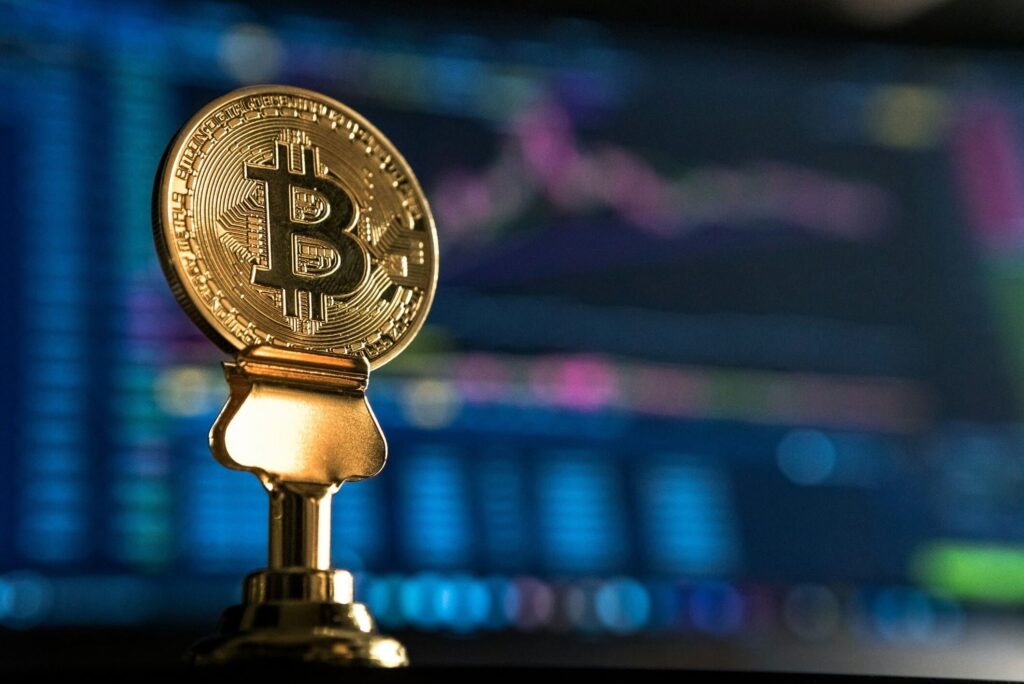
Not long ago, a Bitcoin-themed token was a fairly simple pitch. Someone would borrow the name, slap a logo on a landing page, and hope the association with the original was enough to pull in buyers. That era still feels recent, but the scene has changed dramatically. Projects like BitcoinHyper ($HYPER) now arrive with actual architecture behind them — a layer-2 angle, staking mechanics, and a community that wants the token to do something beyond sit in a wallet. And one of the clearest places that “something” shows up is in digital entertainment, where holders look for spots to actually spend the coins they once only hoarded.
That shift is exactly why so many crypto enthusiasts now research where their Bitcoin and Bitcoin-themed tokens can be put into play. For readers trying to separate the solid options from the noise, an editorially curated crypto casino usa ranking hub does the heavy lifting — comparing welcome bonuses, withdrawal speeds, security, and game libraries across the best Bitcoin-friendly venues for 2026. These review pages exist because the choices have multiplied, and someone holding BTC, a fresh $HYPER allocation, or a stash of USDT wants to know which destinations honor provably fair games, protect privacy, and actually let them cash out without friction. It’s the natural next question after “what token should you buy?” — namely, “where can you use it?”
Then: A Token Was Just a Ticker
Rewind to the early meme-coin and Bitcoin-fork frenzy. Tokens were bought, charted, and flipped. Utility was a buzzword more than a reality. A holder’s entire relationship with a coin lived inside a price chart and a Telegram group. The thrill came from the green candle, not from anything the token could unlock.
Back then, Bitcoin itself was treated almost like a museum piece — too valuable and too slow to spend, so people simply parked it. The smaller Bitcoin-themed tokens that followed inherited that mindset. They were collectibles for speculators, and the whole game was timing the entry and the exit.
Now: Tokens That Want a Job
The current crop of projects reads completely differently. BitcoinHyper markets itself around a high-speed layer-2 framework, positioning $HYPER as something meant to move, stake, and transact rather than gather dust. That philosophy lines up with a broader trend — Pepenode’s mine-to-earn angle, Maxi Doge leaning into its over-leveraged degen persona, Frog Knox building a character-driven identity. The common thread is that a modern token is expected to plug into experiences.
Entertainment turned out to be the most natural fit. Spending a token on a slot spin, a blackjack hand, or a provably fair dice game gives the coin an immediate use case that price charts alone never offered. The same enthusiast who once only watched $HYPER’s presale meter climb can now treat the token as a balance to play with. That single change — from holding to doing — separates the new era from the old one.
It helps that the rails underneath have matured. Stablecoins, in particular, became the quiet workhorses of this transition. A player who doesn’t want their balance swinging with the market can settle in USDT instead, and the reason that works so reliably comes down to design choices explored in academic work on what keeps stablecoins stable. That backing matters, because a deposit token only feels safe to spend when its value holds steady from one session to the next.
Why Bitcoin Casinos Became the Proving Ground
There’s a reason Bitcoin-friendly entertainment venues sit at the center of this story. They were among the first corners of the internet to treat crypto as money rather than as an investment to admire from afar. Privacy-minded users appreciated funding an account without handing over a stack of personal details. Speed-minded users liked that a withdrawal could clear in minutes rather than days.
For speculators who live on presale calendars and price-prediction threads, these venues offer a release valve. A trader waiting out a long lockup on a Bitcoin-themed token can take a smaller pile of BTC, ETH, LTC, or USDT and turn an idle evening into something interactive. The entertainment becomes a way to stay engaged with the asset class between buys.
The role of stablecoins keeps growing, which is why analysts now study their broader effects so closely. Research on the impact of stablecoins on banking digs into how these dollar-pegged tokens are reshaping where and how value moves online — and a deposit balance for digital play is one very practical example.
What the New Holder Actually Cares About
Today’s buyer is more discerning than the 2017 flipper ever was. They ask whether games are provably fair, whether a venue supports the coins they hold, and whether their data stays private. They compare bonus structures the way they once compared tokenomics charts. The mindset of due diligence carried straight over from picking presales to picking where to spend.
That’s also why plain-language education has become so valuable. A clear primer like Cornell’s rundown on ten things to know about stablecoins helps a newcomer grasp why a USDT balance behaves the way it does before they ever fund anything.
The Bigger Picture
The journey of a token like $HYPER captures the whole arc neatly. It starts as a name with a chart, evolves into a project with mechanics, and ends up as something a person can genuinely spend. Bitcoin-themed tokens are no longer just symbols of the original — they’re becoming functional currency for play.
For crypto enthusiasts, that’s the real story of “then vs now.” The hoarding instinct hasn’t vanished, but it now shares space with the urge to put coins to work. And as long as that urge holds, the bridge between fresh token launches and the venues where people spend them will only get busier.
Disclaimer
“This content is for informational purposes only and does not constitute financial advice. Please do your own research before investing.”
Share This Article


