


How Meme Coins Like Maxi Doge and Frog Knox Are Becoming Deposit Tokens for Online Entertainment
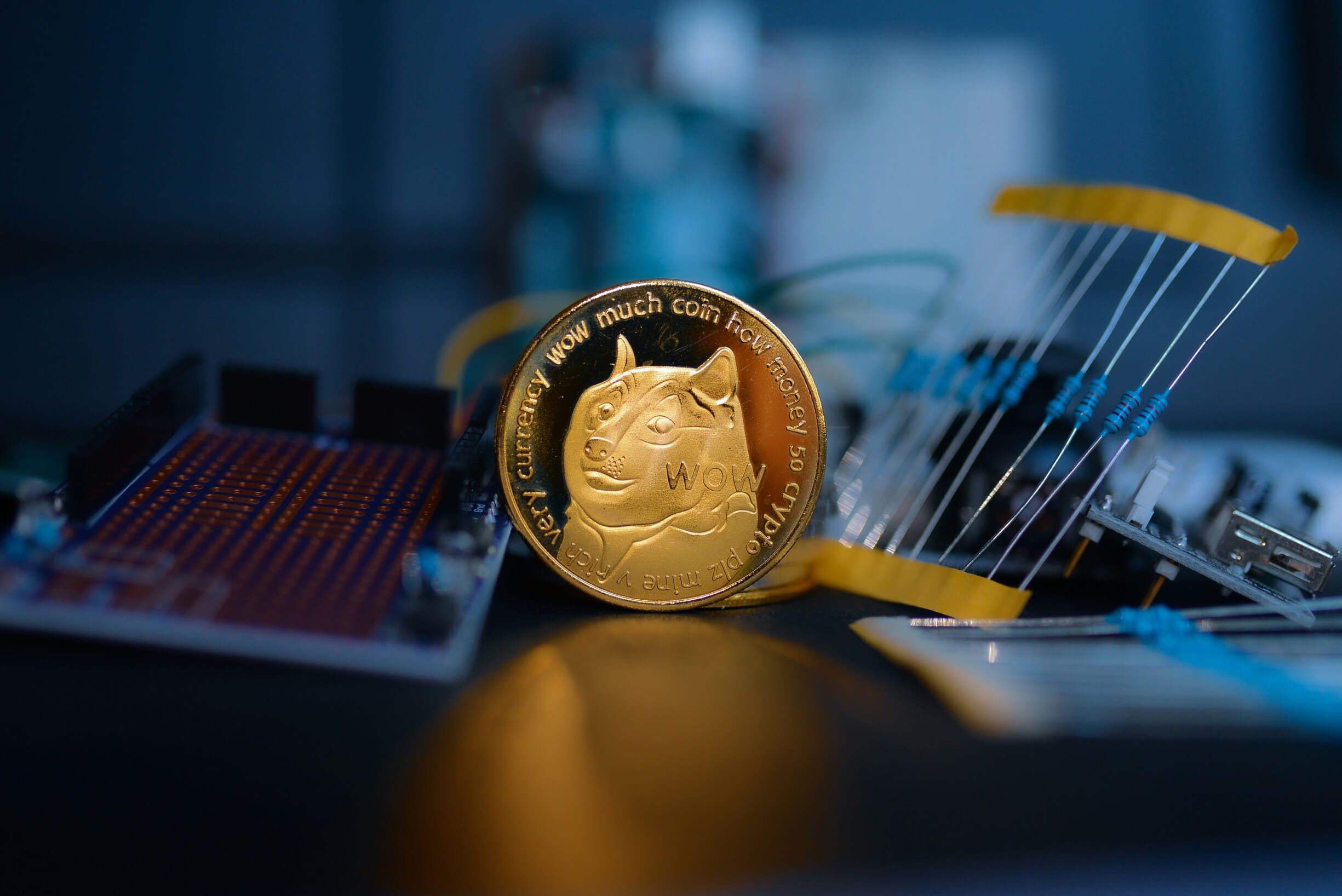
There’s a simple idea worth keeping in mind as the meme coin world keeps reinventing itself: a token only becomes interesting once people can actually do something with it. For years, coins like Pepe, Maxi Doge, and the newer Frog Knox lived almost entirely on the chart. Holders watched candles, traded the hype, and waited for the next presale to fill its soft cap. But the meme coins that hold attention longest are the ones that quietly pick up a use case beyond pure speculation — and lately, one of the most talked-about uses is spending them as deposit tokens in digital entertainment.
That idea takes on real weight once you look at where crypto-native entertainment has landed. A growing crop of bitcoin casinos now accept a wide spread of coins and networks, from Bitcoin and Ethereum to Solana and Polygon, and the better-ranked sites are judged on welcome bonuses, transaction fees, payout reliability, and how much anonymity they offer players who prefer to stay private. The strongest of these sites read like carefully ranked guides, breaking down which coins are supported, which networks keep fees low, and which sub-categories — crypto poker, roulette, no-KYC entry, instant play — actually deliver. For a meme coin holder, that landscape is exactly where a token stops being a chart and starts being a currency.
From Presale Ticker to Spendable Token
The recurring idea here is utility, and it shows up most clearly in the lifecycle of a meme coin. Maxi Doge launched the way most meme projects do — a presale, a community scramble, and a flood of holders hoping for an early entry that pays off later. Frog Knox followed a similar arc, leaning on amphibian branding and the same playful energy that turned Pepe into a household name in crypto circles.
What changes the story is the moment those tokens become accepted somewhere outside an exchange. A coin that can be deposited and used for entertainment suddenly has demand that isn’t tied to a single trade. Holders who once parked their bags and refreshed price-prediction threads now have a second reason to keep their coins liquid and on a fast network. That shift — from speculative ticker to spendable token — is the quiet engine behind a lot of recent meme coin staying power.
Why Meme Coins Fit Casino-Style Deposits So Well
Meme coins and crypto entertainment happen to share a personality. Both run on speed, both reward people comfortable with risk, and both live on social momentum. A token built for low fees on Solana or Polygon is practically tailor-made for moving small amounts in and out of an entertainment account without the cost eating the fun.
There’s also the anonymity angle. Plenty of meme coin holders value privacy, and no-KYC entry points let them deposit a token like Frog Knox without handing over a stack of personal documents. Add instant play — load a coin, jump straight into a game — and the friction that once separated “holding crypto” from “using crypto” mostly disappears. The same volatility that makes meme coins thrilling to trade also makes them a natural match for an environment built around chance and quick outcomes.
It’s worth remembering, though, that the rules of due diligence don’t vanish just because a coin is fun. Regulators have repeatedly flagged the risks of new tokens, and the SEC’s investor bulletin on token offerings is a sober reminder that hype and value are not the same thing. A coin being accepted as a deposit token doesn’t make it a safe bet — it just makes it usable.
The New Utility Loop
Here’s where the guiding idea comes full circle. A meme coin’s life used to be a straight line: launch, pump, dump, repeat. Spending utility bends that line into a loop. A holder buys Maxi Doge in a presale, watches it list, then deposits a slice of it into a crypto-friendly entertainment account, plays, and either withdraws winnings back into the same token or cashes into something more stable.
That loop matters because it keeps the coin in circulation. Tokens that only sit in wallets tend to fade; tokens that move tend to survive. The structure isn’t far removed from the original promise of an initial coin offering, where the pitch was always that a token would power some real activity rather than just trade hands. For a long stretch of crypto history, that promise went unfulfilled for most meme projects. Deposit-token use cases are one of the first places where the promise actually starts looking practical.
What Holders Should Watch Before Spending
None of this means a meme coin holder should treat every accepted token the same. Network choice still matters — moving a coin on a congested chain can turn a small deposit into an expensive lesson on fees. Payout reliability matters too; a token is only useful for entertainment if winnings can come back out smoothly. And reputation cuts both ways: a well-ranked, transparent site that lists its supported coins and fee structure is a very different proposition from an anonymous corner of the internet promising the world.
The smart approach mirrors the smart approach to meme coins themselves. Read the details, understand the fees, know which networks are supported, and never move more than makes sense. The same skepticism that separates a strong presale from a rug pull serves holders well when they decide where their Frog Knox or Maxi Doge actually gets spent.
Utility was always the missing piece. Watching meme coins finally find it — not in some distant roadmap, but in something as immediate as a deposit token — is what makes this corner of crypto worth following.
Disclaimer
“This content is for informational purposes only and does not constitute financial advice. Please do your own research before investing.”
Share This Article


