


Jacks or Better Explained: The Paytable, the Hands That Pay and Where a 99% RTP Comes From
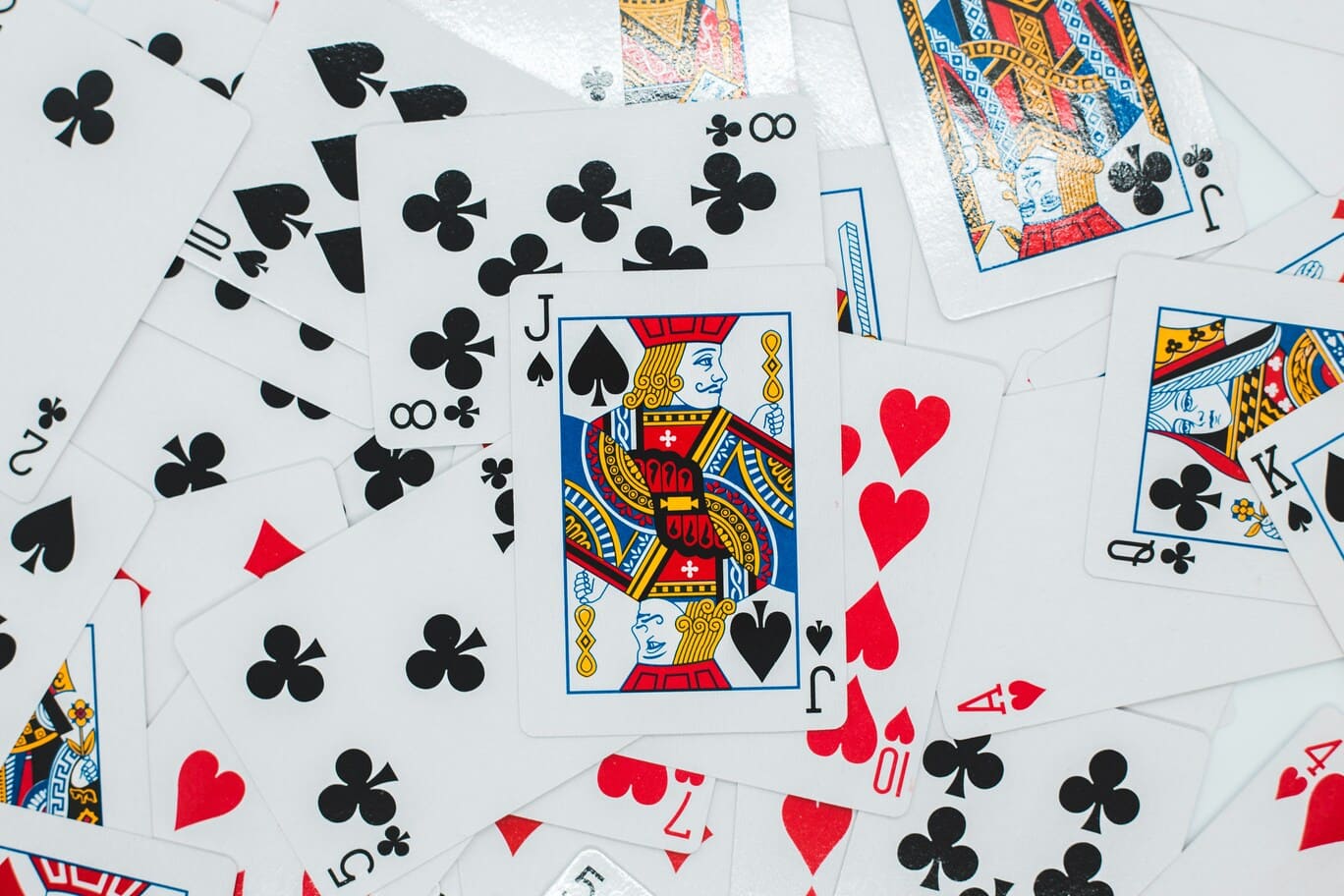
Most casino games keep their math out of sight. A slot gives you one RTP figure and keeps the reel strips private. Video poker does the opposite. Every number that sets your long-run return sits on the screen above the cards, in a nine-line table you can read in ten seconds.
If you spend your evenings reading token supply schedules, this will feel familiar. The paytable is the schedule. Change one line and the whole return shifts, and you can check it yourself before a single coin goes in. Here is how the standard Jacks or Better table works, which hands carry the return, and the handful of holds that decide if you actually collect it.
The Paytable, Line by Line
The version used throughout this piece pays, per unit bet:
- Royal Flush: 500x
- Straight Flush: 60x
- Four of a Kind: 25x
- Full House: 9x
- Flush: 6x
- Straight: 4x
- Three of a Kind: 3x
- Two Pair: 2x
- Jacks or Better: 1x
That is the exact table on this jacks or better game, which deals five-card draw from a single 52-card deck and lists its return at 99%. The top three lines get the attention. The bottom four do the work.
Full House at 9x and Flush at 6x are the two numbers players quote, and for good reason. They give the game its nickname, 9/6, and they are the first lines a casino trims when it wants a bigger edge.
Two Pair at 2x is the line most people skim past. It doubles your bet, and you finish with two pair roughly once every 7.7 hands. Keep that figure in mind for the next section.
Jacks or Better at 1x is a pair of jacks, queens, kings or aces. It returns your bet and nothing more, so in practice it is a refund. A pair of tens pays zero. That single cutoff shapes almost every hold decision in the game.
Why the 9 and the 6 Matter Most
Keep the top of the table identical, lower only the full house and flush lines, and run every possible deal through perfect play. The results:
- 9/6 (Full House 9x, Flush 6x): 98.99%
- 8/5: 96.69%
- 7/5: 95.54%
One point off each of those two lines costs you about 2.3 points of return. Put $10,000 of total action through the machine and the expected loss rises from roughly $101 to roughly $331. Same cards. Same sounds. Same name on the screen.
So the first thing to read on any video poker game is not the royal. It is the full house and the flush. Everything else is detail.
Where the 99% Actually Comes From
Multiply each payout by how often you finish with that hand under perfect strategy, and you get each line’s share of the total. Sorted by contribution, in points of RTP:
- Two Pair: 25.8 points (about 1 hand in 7.7)
- Three of a Kind: 22.3 points (1 in 13.4)
- Jacks or Better: 21.5 points (1 in 4.7)
- Full House: 10.4 points (1 in 87)
- Flush: 7.0 points (1 in 86)
- Four of a Kind: 5.9 points (1 in 423)
- Straight: 4.4 points (1 in 90)
- Royal Flush: 1.0 point (1 in about 48,000)
- Straight Flush: 0.6 points (1 in about 9,300)
Add them up and you get 98.99%. Nearly 70 of those points come from the three smallest wins on the board. The 2x line alone outearns the full house, flush and four of a kind lines combined. Meanwhile, 54.5% of your final hands pay nothing at all.
That is the honest shape of this game. It is a grind built on pairs and trips, with rare big hands sprinkled on top.
The Royal Flush Line Is Smaller Than It Looks
A 500x royal sounds like the prize. In return terms it is worth about one point. At around 600 hands an hour, a perfect player sees one every 80 hours or so. Over 1,000 hands, there is roughly a 98% chance you never see one.
For comparison, the classic casino-floor full-pay machine pays 800 for the royal and 50 for the straight flush on the same lower table, and comes out at 99.54%. The 500x top line is part of why this version sits just under 99 rather than just over it.
Basic Holds, Worked Through
Every deal offers 32 ways to hold. The figures below are the average return of each choice per $1 bet, computed across every possible draw.
You are dealt K, Q, J and 10 of hearts plus the 3 of hearts. That is a made flush worth $6. Throw the 3 away and the hand is worth $13.38 on average. Break the flush.
Pair of kings with Q, 9 and 8 of hearts. Keep just the kings: $1.54. Keep a kicker with them and it drops to $1.42. The kicker never helps here.
Pair of 3s against four to a flush. The flush draw is worth $1.21. The little pair, $0.82. Chase the flush. Swap the four-flush for a three-card flush, though, and the pair wins easily.
Two pair. Standing pat collects $2. Holding both pairs and drawing one card for a full house is worth $2.60. Draw.
Nothing but an unsuited ace and king. Hold both: $0.48, a hair better than the ace alone.
Total junk, say 2, 5, 7, 9 and 10 with no flush draw. Throw all five away. A fresh hand averages $0.36, more than any partial hold.
The Holds Players Get Wrong
Holding a kicker. It feels like extra protection. With a paying pair it only ever lowers your number.
Keeping a paid pair over four to a royal. Pair of aces, with the ace, king, queen and jack all hearts? The aces alone are worth $1.54. The four-card royal is worth $12.15. Let the aces go.
Breaking a high pair for three to a royal. K-K with K, Q, J of hearts: hold the kings. The pair beats the three-card royal here.
Treating ace-ten suited like ace-king. Hold the ace by itself: $0.46 against $0.44 for the suited pair of cards.
Ignoring an outside straight draw. With 6, 7, 8 and 9 in mixed suits, holding the four is worth $0.68, nearly double a fresh redraw at $0.36.
None of these lines is folklore. Each comes from solving all 2,598,960 starting hands on the 9/6 table, and each is cheap to test on a small stake at a jacks or better table that prints its paytable.
What 1,000 Hands Look Like
A 99% game still swings. The per-hand standard deviation on this table is about 3 units, three times your bet.
Run 20,000 simulated sessions of 1,000 hands at $1, perfect play throughout. The expected loss is about $10. The median session finishes down $20. One session in ten ends worse than down $97, and one in ten ends better than up $69. Just over 37% finish ahead.
The 2% of sessions that hit a royal all finish ahead. Without one, the share in profit falls to about 36%. The math is close to even. The experience, most nights, is a slow drip.
Reading a Paytable Before You Play
Check the full house and flush lines first, before anything else. 9 and 6 is the standard to look for.
Then the royal. 500x or 800x changes the long-run number by more than half a point.
Remember the RTP assumes perfect holds. Kicker habits and pair-over-royal-draw mistakes quietly trim it, hand after hand.
Set a session budget in units, not dollars, and decide where you stop before the first deal. A 99% game is a good deal as casino games go. It is still a game the house wins over time.
About the Author
[AUTHOR NAME] writes about game math, probability and the numbers behind casino games, with a focus on reading paytables and payout schedules before playing.
EDITOR NOTE (delete before publishing)
Links (please keep anchors and destinations unchanged, dofollow):
1. Anchor “jacks or better” (section: The Paytable, Line by Line) -> https://jacksclub.io/casino/games/video-poker
2. Anchor “jacks or better” (section: The Holds Players Get Wrong) -> https://jacksclub.io/casino/games/video-poker
Suggested meta title (60): Jacks or Better Paytable Explained: Where 99% RTP Comes From
Suggested meta description (135): How the 9/6 Jacks or Better paytable builds a 99% RTP, which hands carry the return, and the basic holds that decide if you collect it.
Suggested slug: jacks-or-better-paytable-99-rtp-explained
Disclaimer
“This content is for informational purposes only and does not constitute financial advice. Please do your own research before investing.”
Share This Article


