


Japan Could Become the Next Corporate Bitcoin Experiment
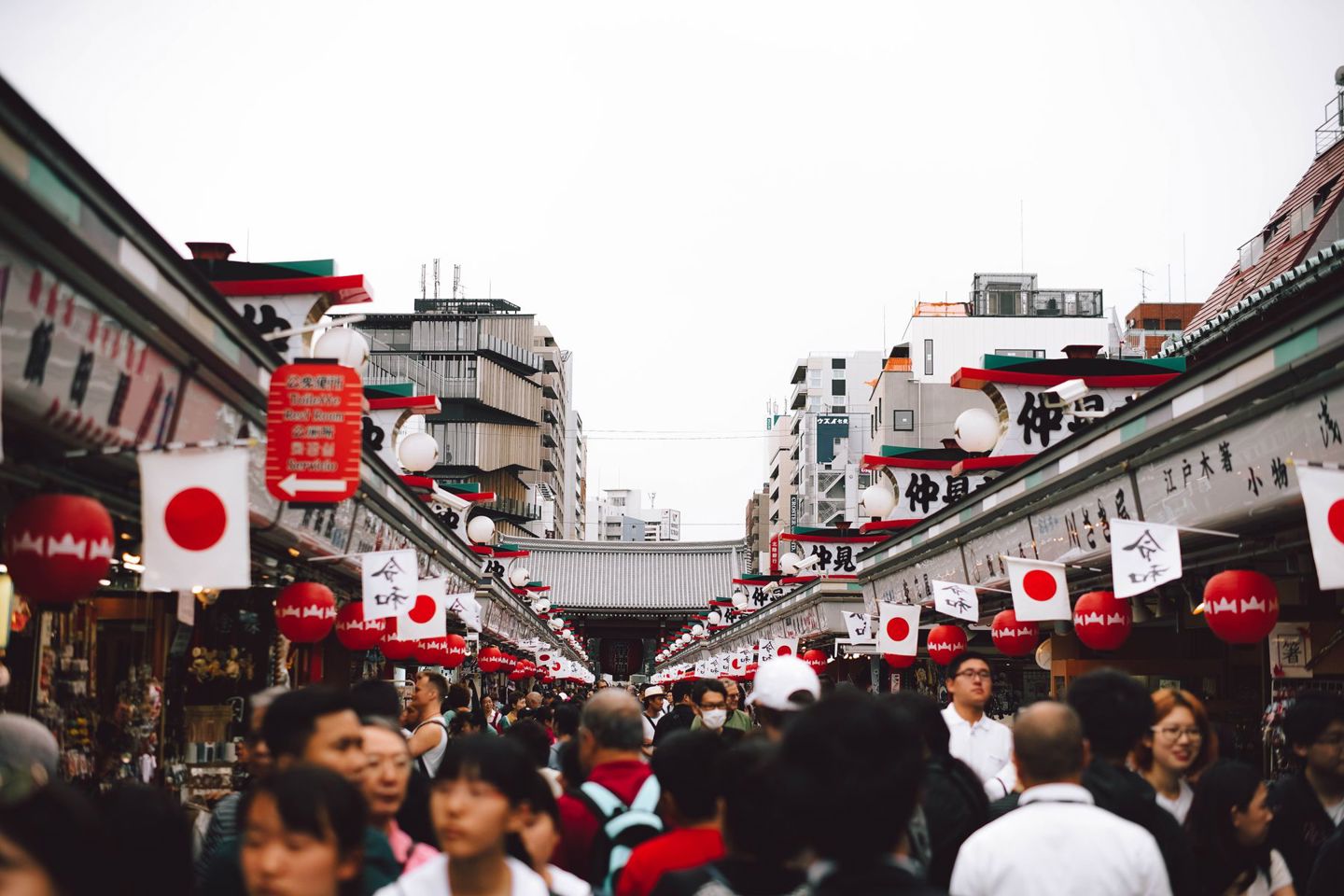
Corporate adoption of Bitcoin has been seen mostly in the United States, where firms like Strategy used digital assets as an unconventional treasury strategy. But Japan is starting to work on its own version of the experiment.
Some Japanese firms are rethinking their corporate reserves as a weak yen, ongoing inflation, and the increased availability of regulated crypto services draw interest. Bitcoin is becoming more and more a part of that discussion as more than a speculative asset.
Japan is an interesting market to watch for investors paying attention to the bitcoin price, as the country’s corporations could provide new structural demand. Bitcoin may no longer be exclusively the domain of traders and investment funds, but more and more companies seeking alternatives to large holdings of yen may end up putting the cryptocurrency on their balance sheets.
Metaplanet Has Become Japan’s Bitcoin Test Case
First, the most obvious one is the Tokyo-listed Metaplanet. The company has evolved into one of the world’s largest publicly traded corporate holders of Bitcoin, with a treasury of 43,000 BTC as of July 2026.
In the second quarter alone, Metaplanet acquired yet another 2,823 BTC, worth around ¥35.9 billion. It was an average purchase price of approximately ¥12.7 million per bitcoin, with a total bitcoin acquisition cost of approximately ¥659.2 billion.
The strategy is more than just holding the asset. Additionally, Metaplanet has been working on a Bitcoin income business through options, which is expected to earn around $10.95 million in the second quarter of 2026.
That makes it an important experiment for the Japanese markets. Investors are essentially being offered a listed equity product with growing financial exposure to bitcoin.
The Weak Yen Changes the Treasury Conversation
The notion might catch on more because of Japan’s currency situation. During July 2026, the yen depreciated to approximately ¥164 per US dollar, before strengthening to approximately ¥153 at the beginning of September.
Extended currency weakness can reduce international purchasing power for companies with large cash positions in yen. In addition, import costs have been rising, a concern for businesses that rely on energy, commodities, or foreign suppliers.
Japan’s producer prices were 7.6% higher year-on-year in August, while import prices increased by almost 25%. Those numbers help explain why corporate treasuries might want to take a second look at the meaning of cash in times of currency and inflation pressure.
Those risks are not eliminated by Bitcoin; its volatility poses significant risks. However, the concept of asset diversification in the treasury is more readily understood during periods of significant domestic currency fluctuations.
Metaplanet May Not Remain an Outlier
While Metaplanet is the largest corporate Bitcoin holder in Japan by far, it is not the only listed company playing with the asset. As of July 2026, approximately 19 Japanese-listed firms had publicly disclosed holding Bitcoin, indicating that the treasury model trend is not limited to a single listed firm.
One of the biggest examples is the gaming company Nexon, which holds 1,717 BTC. By August, energy and investment company Remixpoint had increased its stake to about 1,500 BTC, while fashion group ANAP Holdings held over 1,400 BTC.
Perhaps as important as the numbers is the diversity of industries involved. Bitcoin treasury strategies are now being seen not only among businesses already involved with cryptocurrency, but in gaming, energy, fashion and consumer services, among others.
This does not imply that Japanese companies as a whole are giving up on cash and trading in Bitcoin. Though there are still a few smaller businesses experimenting with BTC, the fact that several are listed on the Japanese stock exchange means the concept is slowly trickling into the mainstream of corporate financial discussions, and Metaplanet still holds the lion’s share of BTC held by listed Japanese companies.
Japan Could Create Its Own Bitcoin Model
The Japanese model could also evolve differently from the American one. US corporate Bitcoin strategies have tended to be capital-intensive, with the capital raised via equity or debt and then used to purchase more Bitcoin.
There may be more reasons for Japanese companies. Dollar-denominated digital assets, shareholder incentives and exposure, and currency diversification may all be part of the mix.
Japan also has a relatively well-established regulatory system for crypto exchanges. That’s important because larger firms typically require regulated custody, accounting practices, and compliant counterparties before they invest any significant corporate capital in digital assets.
Improved infrastructure reduces some of the challenges that previously hindered corporate crypto ownership.
Bitcoin Is Becoming a Corporate Finance Question
It could thus be that the more interesting change is the way Bitcoin is being discussed. This is no longer a question of whether businesses should speculate in cryptocurrency; it’s a question of whether digital assets have any place in treasury management.
Metaplanet is at the extreme end of that spectrum, with tens of thousands of Bitcoin on its balance sheet. Few companies looking to diversify would likely choose to do so to the extreme.
Even if it’s a small number, it could still be significant if it catches on. There are thousands of businesses listed in Japan, making it one of the world’s biggest pools of corporate savings, so small allocations spread across a larger number of businesses could generate significant demand.
While the corporate Bitcoin experiment started elsewhere, Japan now has the economic conditions, financial infrastructure and a high-profile domestic example to try the strategy out for itself. The next step will be to determine if Metaplanet is a freak occurrence or the first indicator of a much bigger shift in Japanese corporate attitudes toward cash.
Disclaimer
“This content is for informational purposes only and does not constitute financial advice. Please do your own research before investing.”
Share This Article


