


Stop-Loss Strategies That Actually Protect Your Capital
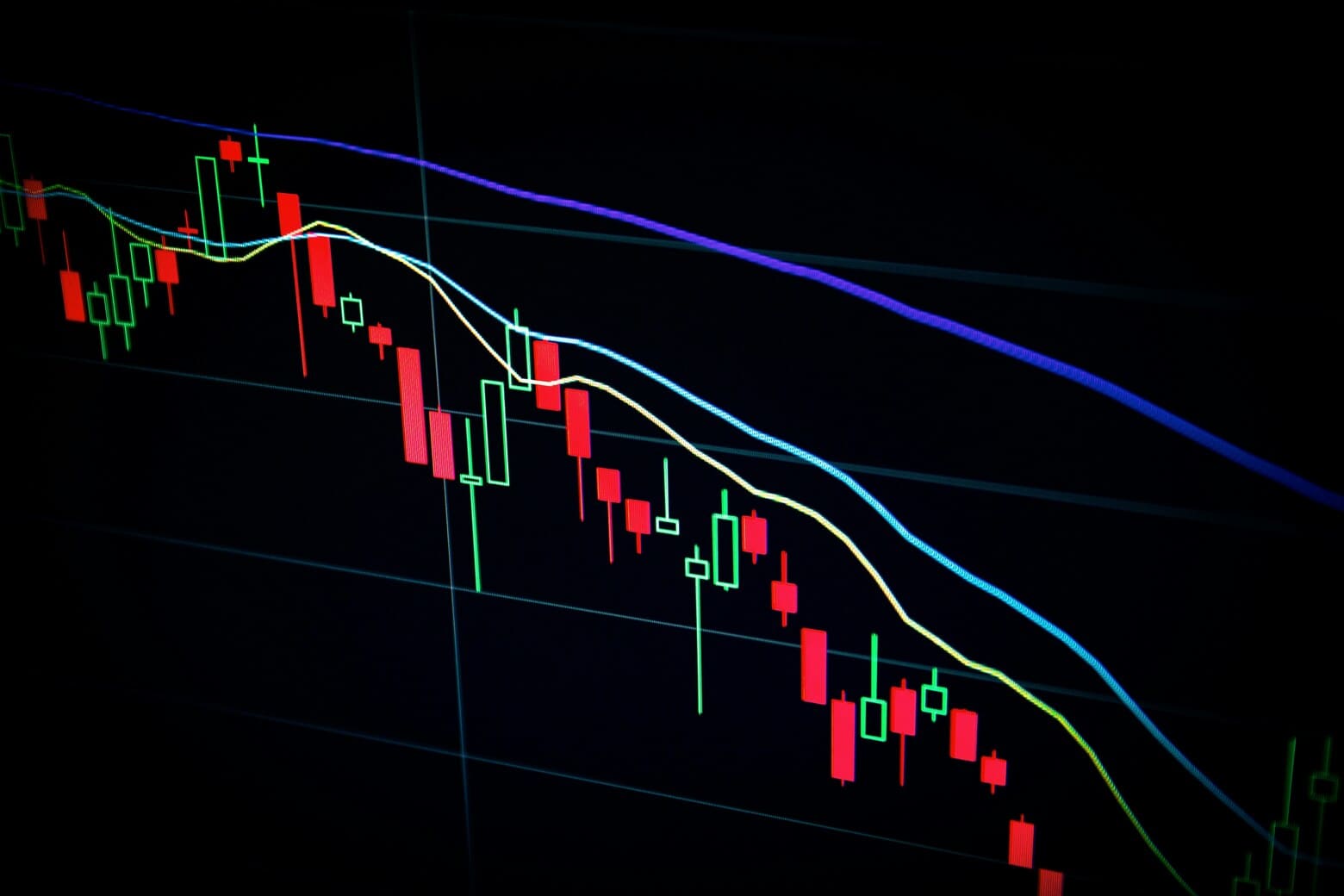
Ask any experienced trader what separates survivors from blowups and the answer almost always circles back to one thing: knowing when to get out. Not when to get in. Not which coin to pick. When to exit a losing position before it turns into a catastrophe. The stop loss is the most unglamorous, least exciting, and most important tool in your entire trading arsenal. Yet the majority of beginners either skip it entirely or use it so poorly that it does more harm than good.
I have spent a lot of time studying how professionals approach exits, including the educational breakdowns on bitcoinmargin.com, and the pattern is consistent. The traders who last are not the ones with the best entries. They are the ones with the most disciplined exits.
Why Most Beginners Get Stop Losses Wrong
The typical beginner approach to stop losses goes something like this. They hear that stop losses are important, so they place one. But where? They pick a round number or an arbitrary percentage. Five percent below entry. Ten percent. Whatever feels comfortable. Then the market sweeps through their stop, reverses immediately, and they watch the trade they were right about play out without them.
This experience is so frustrating that many beginners abandon stop losses entirely. They conclude that stops are broken, that the market is hunting their orders, and that holding through the pain is actually the better strategy. This logic sounds reasonable until the one time the market does not reverse, and their entire account disappears.
“Every day I assume every position I have is wrong. I know where my stop risk points are going to be. I do that so I can define my maximum drawdown.” — Paul Tudor Jones, founder of Tudor Investment Corporation
Jones does not place stops based on feelings. He defines them based on where his thesis is invalidated. That distinction is the difference between a stop loss that protects you and one that simply gets triggered by noise.
Placing Stops Based on Market Structure
The most effective stop losses are anchored to something meaningful on the chart rather than to a percentage you pulled from a general rule of thumb. The market does not care that you are comfortable losing 5%. It cares about support and resistance levels where real buying and selling pressure exists.
A structurally sound stop loss sits just below a level where your trade thesis genuinely breaks down. If you buy Bitcoin because it bounced off a key support zone, your stop belongs below that support zone. Not 3% below your entry. Not at a round number. Below the specific level that, if broken, tells you the bounce you traded is no longer valid.
Practical methods for setting structural stops include the following approaches:
- Below swing lows on your trading timeframe places your stop at a level where the market has already demonstrated buying interest. If that swing low breaks, buyers have lost control and your reason for being in the trade no longer holds.
- Below moving average clusters such as the 50 or 200 period average on the relevant chart. These dynamic levels act as institutional reference points. A clean break below them often signals a genuine shift in trend rather than temporary noise.
- Using ATR buffers to account for volatility ensures your stop is not placed within the range of normal price fluctuations. If Bitcoin’s average daily range is $2,000, a stop placed $500 below support will get triggered by routine intraday movement. Adding one to two times the Average True Range below your structural level gives the trade room to breathe.
Each of these methods answers the same question: at what price is my trade idea objectively wrong? That is where your stop belongs.
The Trailing Stop for Protecting Profits
Getting stopped out of a losing trade is painful but survivable. Getting stopped out of a winning trade that already showed significant profit is psychologically devastating and entirely avoidable with proper trailing stop technique.
A trailing stop moves upward as the price moves in your favor, locking in progressively more profit while still allowing the trade room to develop. The key is calibrating the trail to the asset’s volatility so normal pullbacks do not knock you out of a healthy trend.
The approaches that work best in crypto’s volatile environment include:
- ATR based trails that automatically widen during volatile periods and tighten during calm ones. A trail set at two times the 14 period ATR adapts to current conditions rather than applying a rigid distance that may be too tight or too loose depending on the market environment.
- Structure based trailing where you manually move your stop below each new higher swing low as an uptrend develops. This method requires more attention but keeps your stop at structurally meaningful levels rather than arbitrary distances. Each time Bitcoin prints a higher low, your stop moves up to just below it.
- Tiered exits combined with trailing where you take partial profits at predefined reward multiples and trail the remaining position. Selling 25% at twice your initial risk, another 25% at four times your risk, and trailing the final 50% captures guaranteed profit while keeping you exposed to the potentially larger move.
The beauty of trailing stops is that they answer the hardest question in trading for you. Instead of agonizing over whether to take profit now or hold for more, the market makes the decision. Either it continues moving in your favor or it pulls back enough to trigger your trail. Either outcome is acceptable.
The Mental Stop Loss Trap
Some traders argue for using mental stops instead of hard stops placed on the exchange. Their reasoning is that hard stops are visible in the order book and can be targeted by market makers or whales. While stop hunting does occur, especially around obvious round numbers and high volume price levels, the mental stop approach has a fatal flaw.
It requires you to actually execute when the time comes.
“Where you want to be is always in control, never wishing, always trading, and always first and foremost protecting your ass.” — Paul Tudor Jones
Under the stress of watching a position move against you, the vast majority of traders will hesitate, rationalize, or freeze when they should be closing the trade. A mental stop of $90,000 becomes “well, maybe $89,000 is the real support” which becomes “I will just wait for one more candle” which becomes a loss three times larger than originally planned.
Hard stops eliminate the decision from the equation. The order sits on the exchange and executes automatically without requiring your emotional cooperation. For most traders, and especially for beginners, this automatic execution is not a weakness. It is the entire point.
If you are worried about stop hunting at obvious levels, the structural placement approach described earlier naturally addresses this. Stops placed below genuine swing lows with ATR buffers already sit at less obvious levels than the round numbers and tight percentages that tend to attract liquidation runs.
Building the Stop Loss Habit
The traders who use stop losses consistently are not braver or smarter than those who do not. They have simply made it a non negotiable part of their process. The stop loss is not something they think about after entering a trade. It is something they define before the entry, as part of the same calculation that determines their position size and profit target.
“There is no magic to classical charting. The magic is in combining insightful and experienced chart analysis with sound risk management.” — Peter Brandt, 40 year veteran trader
If you currently trade without stops, start today. Not tomorrow. Not on your next trade. On your current open positions. Define the level where each trade is wrong, place your stop there, and walk away from the screen. The discomfort you feel placing that order is exactly the discomfort that has been protecting professional traders’ capital for decades.
Your job is not to be right on every trade. Your job is to make sure that being wrong does not end your trading career. The stop loss is how you do that.
Disclaimer
“This content is for informational purposes only and does not constitute financial advice. Please do your own research before investing.”
Share This Article


