


Top Use Cases of Cryptocurrency Beyond Investing in 2026
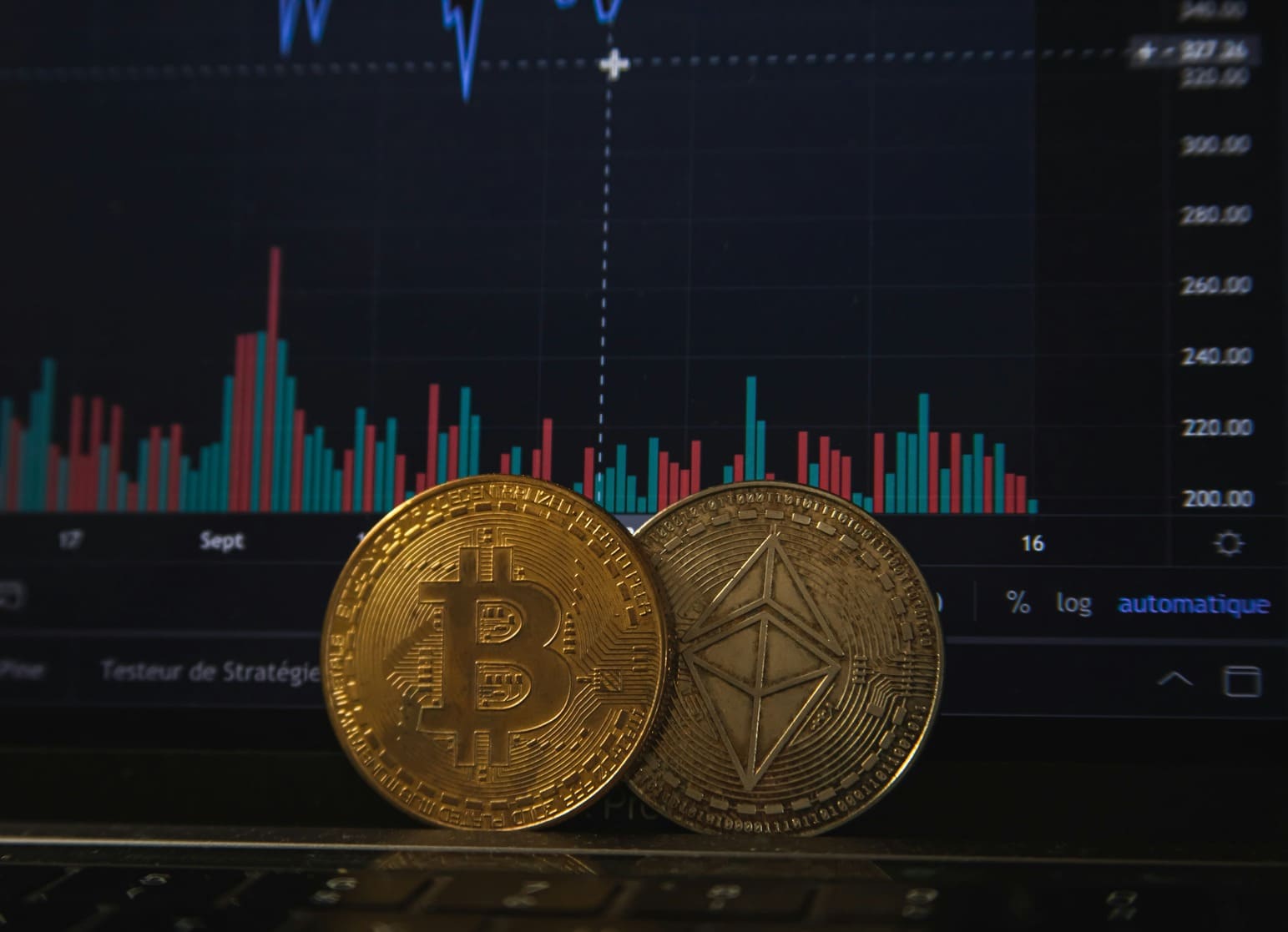
While 2026 has been a turbulent year for traders as the market continues to decline, cryptocurrency has been slowly making the move from speculative investment towards utility. This has been driven by its adoption as a payment for products and services as more countries, corporations, and small businesses open the doors for crypto payments and tokenized real world assets.
Here are the top use cases of cryptocurrency beyond investing in 2026.
Crypto Payments Are Becoming Mainstream
When Bitcoin was first launched, and for some time afterwards, it was considered by most to be a kind of digital gold; a long term investment and store of value. Over the years that followed, people began to realize cryptocurrency was inherently volatile, something that attracted yet more investors but deterred businesses from taking Bitcoin as payment.
Nowadays, the ecosystem has changed. Applications like Bitpay allow retailers and online merchants to readily accept cryptocurrency while receiving their payment in fiat currency, directly circumnavigating the risks of volatility that previously made straightforward transactions difficult.
Online casinos often led the charge, with a number popping up accepting various cryptocurrencies alongside traditional payments. If you play mBit bitcoin casino, for example, the site is a centralized company offering crypto alongside an array of other payment option. The site offers all the games you would expect to find at a land-based or traditional online casino, with thousands of slots and table games.
More recently, the mortgage lender Better Home and Finance teamed up with Coinbase to accept crypto downpayments on confirming loans that are backed by government organization Fannie Mae. For users, this means you’ll be able to use crypto as a downpayment without having to sell the crypto and trigger capital gains.
Other companies who have accepted cryptocurrency payments include Microsoft and US telecommunications company AT&T, who allow bill payments to be made directly with crypto.
Overseas Payments
One area where crypto has proved particularly advantageous is making overseas payments and transactions, which can be costly using the usual banking methods, typically involving huge fees and significant delays.
Crypto, on the other hand, can be sent near-instantly and without much cost. Bitcoin payment platform Strike, for example, facilitates easy overseas transactions and sees a lot of volume, particularly between the USA and Latin America.
In times of need, other countries have received large donations to the sums of millions of dollars via cryptocurrency, demonstrating how useful crypto can be for enabling large cross-border transactions.
On a smaller scale, online businesses who serve an international market benefit from lower fees, which reduce costs. These savings positively impact the bottom line and can even be passed on to improve customer experience.
Decentralized Finance (DeFi)
One of the core philosophies of cryptocurrency right from the start was to cut out the need for the middleman, i.e. the bank. Decentralized finance (DeFi) has now become a real use case for crypto, particularly when it comes to lending and borrowing.
Platforms like Aave facilitate lending and allow users to set terms and earn interest on the crypto they lend. Without the need for a bank, these terms are often more generous than they otherwise might be. Aave was first built on Ethereum but has since expanded to other blockchains.
DeFi is proving particularly useful in countries with unstable income or banking systems, as wallets require no bank account and transactions can bypass certain banking restrictions.
Digital Ownership Through NFTs and Tokenization
It may seem like the initial NFT craze has died down a bit. That’s because it has. What we’re seeing now is less pixelated Pepe the Frog pictures and more tokenization of serious assets, which can only be a good sign for the long term sustainability of this particular crypto use case. Token utility is important.
NFTs and tokens are proof of ownership for a unique piece of art, music, a video clip, or even a real world item, with ownership publicly verifiable on the blockchain.
Aside from digital art, serious players like Dapper Labs and Nike have entered the NFT market. Dapper Labs created officially licensed basketball highlight clips called NBA Top Shots, which users can own by purchasing the NFT. Nike, meanwhile, introduced digital tokenized wearables.
More recently, the tokenization of real world assets has gained steam. JPMorgan Chase, for example, has a platform called Onyx that supports tokenized bonds, while real estate company Propy enables property transactions on the blockchain, with ownership represented by tokens.
Crypto’s Quiet Integration
Cryptocurrency has quietly moved from a technology that hit headlines for its volatility and price jumps, to one that has a growing number of real applications, enhancing both digital services, while increasingly bridging the gap between physical businesses and the digital realm.
Despite downswings in the crypto market, blockchain technology and the crypto payment ecosystem are gaining stability in the form of adoption. As transaction costs have been lowered and intermediary platforms have risen, businesses that range from online gaming platforms and small businesses, up to companies like JP Morgan, have seen the benefits.
Looking to the future, as 2026 continues, yet more digital and real world assets could become tokenized and adoption of crypto as a payment method is unlikely to slow down.
Disclaimer
“This content is for informational purposes only and does not constitute financial advice. Please do your own research before investing.”
Share This Article


