

Why RWA Tokens Are Dominating Crypto in 2026
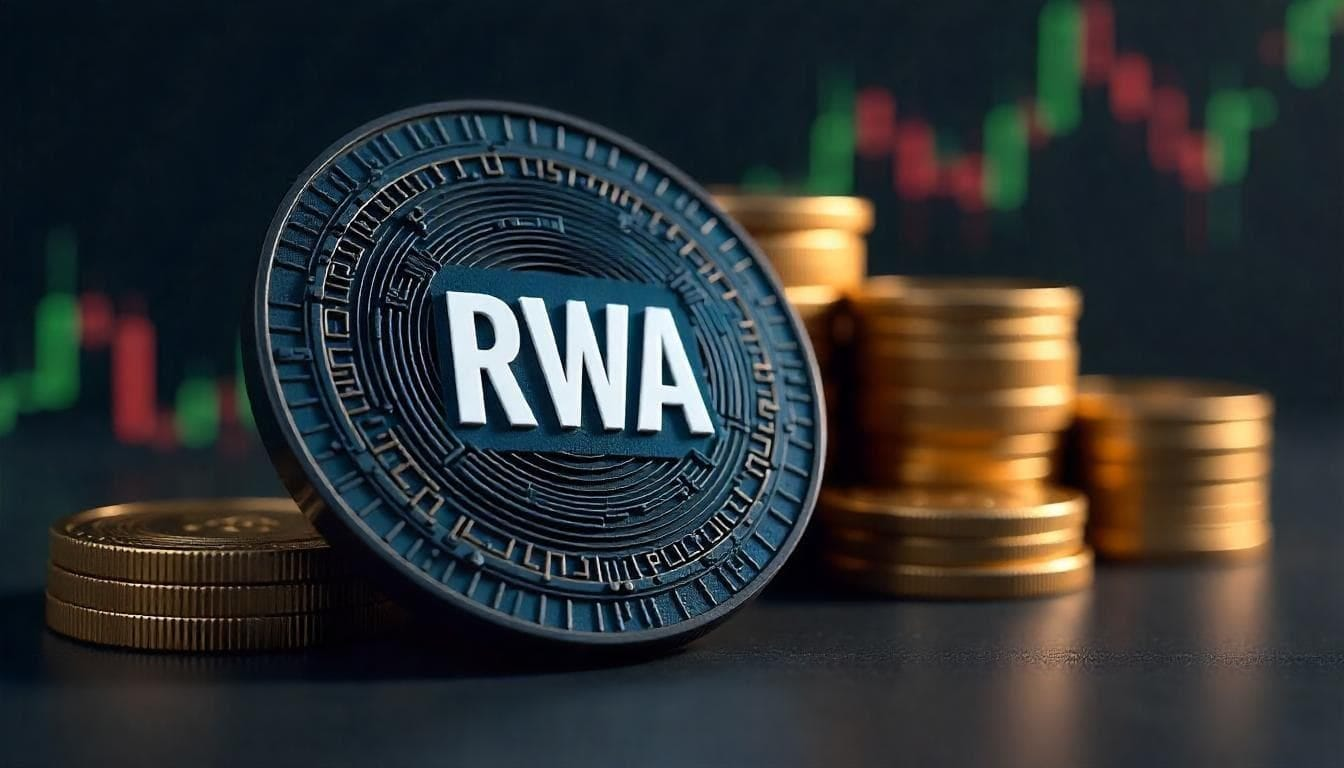
Until recently, crypto asset price movements were primarily driven by speculation. In 2026, however, things have changed; now the spotlight has fallen on the relatively quiet sector of tokens linked to underlying assets. The total on-chain value of RWA, apart from stablecoins, has risen beyond $34 billion in May 2026, having seen an increase of more than 400% compared to the start of 2025. Now let’s see what that means for traders. Unlike memes, tokens in this group relate to securities, funds, and loans already actively traded in the traditional market.
What RWA Tokens Actually Are
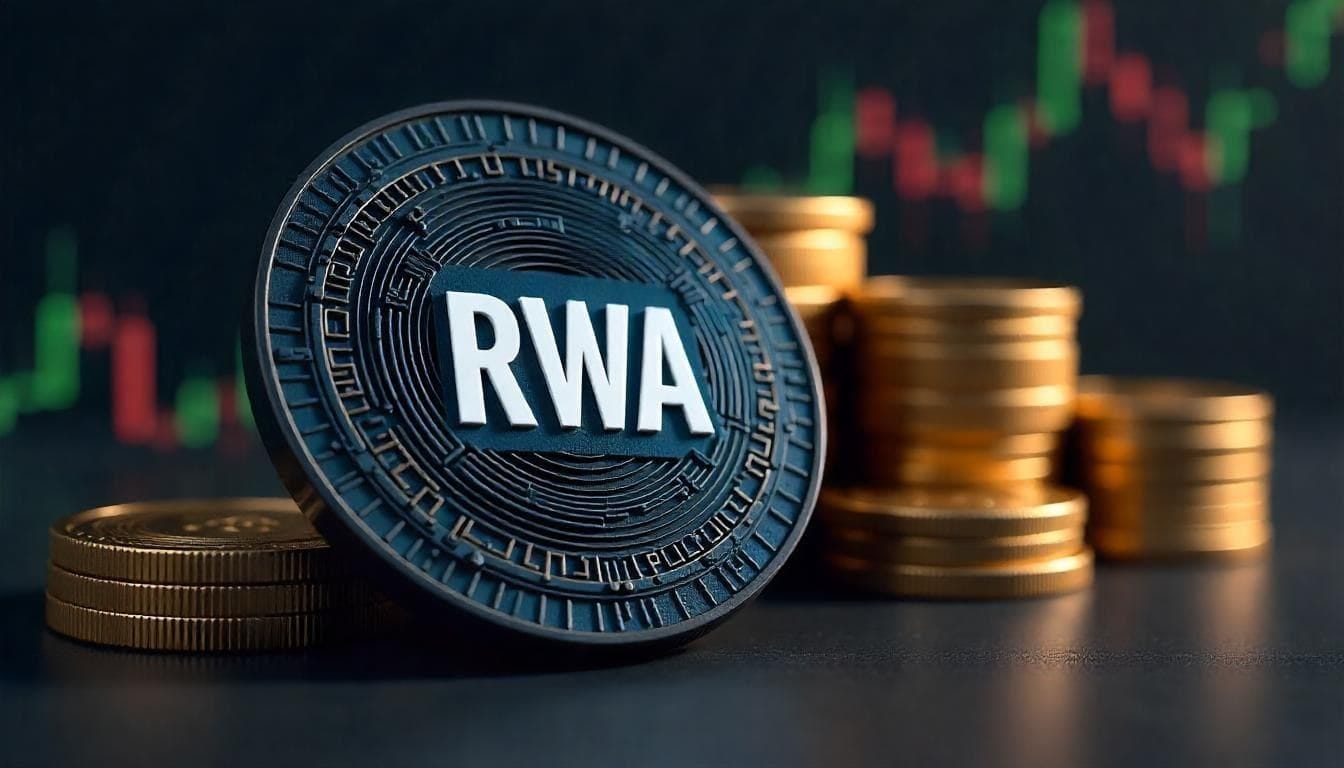
The token issued by an RWA refers to a stake in an asset located off-chain. The token is linked to an existing asset. This means its governance and custodial policies match those of the actual product. You can see this on platforms like InvestaX. When you buy a tokenized US Treasury security, you get an off-chain claim on the government’s short-term debt assets. This is held in a fund, and you earn the same interest rate as the bonds.
An RWA token differs from standard cryptocurrency mainly in its backing. For example, if interest is paid or debt is repaid on the bond or loan, that money goes to the account holder. The assets most often turned into tokens today include:
- Short-term US government debt, known as tokenized Treasuries.
- Private credit and business loans, which Metamask estimates at nearly $5 billion on-chain.
- Shares in money market funds.
- Company stocks and ETFs, a class that scaled quickly through early 2026.
The financial landscape is evolving, as we can see from the figures above. It’s always worth paying attention to new developments in any digital area. For example, casinos offer new codes for 2026 to their players, as described on the Slotozilla website. This simple improvement brings additional value for casino players, and RWA has similar benefits for investors.
Why Investors Became More Interested in RWA Projects
IRWA combines known assets value with blockchain efficiency. Recently, just tokenized Treasuries had about $15.3 billion invested. A few qualities tend to draw investors in:
- Yield from familiar, lower-risk assets such as Treasury bills.
- Settlement and transfers that run around the clock instead of banking hours.
- Smaller entry sizes through fractional ownership.
- Tokens that double as collateral, such as J.P. Morgan’s MONY and BlackRock’s BUIDL.
They offer a yield of nearly 2.8-3%. This acts more like a savings option than a speculative one. In general terms, tokenized RWAs have increased 256.7% over fifteen months to reach $19.32 billion by the end of March 2026.
How Tokenization Is Changing Traditional Finance
Perhaps most telling thing is the involvement of new actors. BlackRock’s BUIDL fund, launched in March 2024, now has over $2.8 billion in assets. It’s spread across eight blockchains, making it the largest tokenized fund. JPMorgan has a blockchain subsidiary called Kinexys. Recently, it filed another tokenized fund.
This follows the creation of its first fund, MONY, on Ethereum. It was a case of following the instructions. The GENIUS Act made tokenization much more attractive for risk-averse institutions. Tokenizing funds became the thing even for Goldman Sachs and BNY Mellon.
Tokenization offers faster settlement, clear ownership, and built-in compliance. This makes bank products more like their blockchain versions. It lets you move your share between wallets in minutes. You can use it to back up loans or redeem it right away.
Which Sectors Benefit Most From RWA Tokenization
Not every market gained equally. The pull has been strongest where assets are standardized, and demand for yield is steady. The table below shows where tokenization is most visible in 2026:
| Sector | Approx. on-chain value (2026) | Real example |
| Tokenized Treasuries | ~$15.3B | Ondo OUSG, BlackRock BUIDL |
| Private credit | ~$5B | On-chain business loans |
| Money market funds | ~$2.95B | Franklin OnChain fund |
| Tokenized stocks | ~$487M | Ondo Global Markets, xStocks |
Treasuries top the list owing to their simplicity, liquidity, and stable interest rates. Stock tokens rank lower than treasuries but are growing fast. For example, Ondo Global Markets tokenized over 100 US stocks and ETFs in early 2026. Private credit is another asset that is preferred by investors looking for stable income.
Why RWA Became One of the Defining Crypto Trends of 2026
Three main factors drove the development of RWA from pilot initiatives into a storyline. The need for real yield gave the token more than just trading value. Legal certainty lowered regulatory risks for banks. Also, infrastructure got better, with Ethereum hosting about 60% of the RWA market, estimated at $27.6 billion by April 2026. For a regular investor, a few points are worth keeping in mind:
- Tokenization opens institutional-grade assets in smaller sizes.
- Returns depend entirely on the underlying asset.
- The trend rests on rules such as the GENIUS Act, not on hype.
- Spreading the same asset across chains can still cause small pricing gaps of 1-3%.
In general, RWA tokens are important in 2026 because they connect blockchain to real-life assets. This shift brings them from niche finance to mainstream investments.
Disclaimer
“This content is for informational purposes only and does not constitute financial advice. Please do your own research before investing.”
Share This Article


